What Game Providers Reveal About Mobile Gaming Preferences in Strictly Licensed Markets
Kirjoittanut Lars Fischer · 21.8.2026
What Game Providers Reveal About Mobile Gaming Preferences in Strictly Licensed Markets
Data from major game providers indicates that mobile platforms now account for the majority of player engagement in strictly licensed markets across North America and Europe, with session patterns showing clear preferences for shorter, touch-optimized experiences rather than extended desktop sessions. Providers such as those supplying operators in New Jersey and Ontario have tracked these shifts through anonymized gameplay metrics, revealing that users favor games with quick load times and intuitive swipe mechanics over complex controls that require mouse precision.
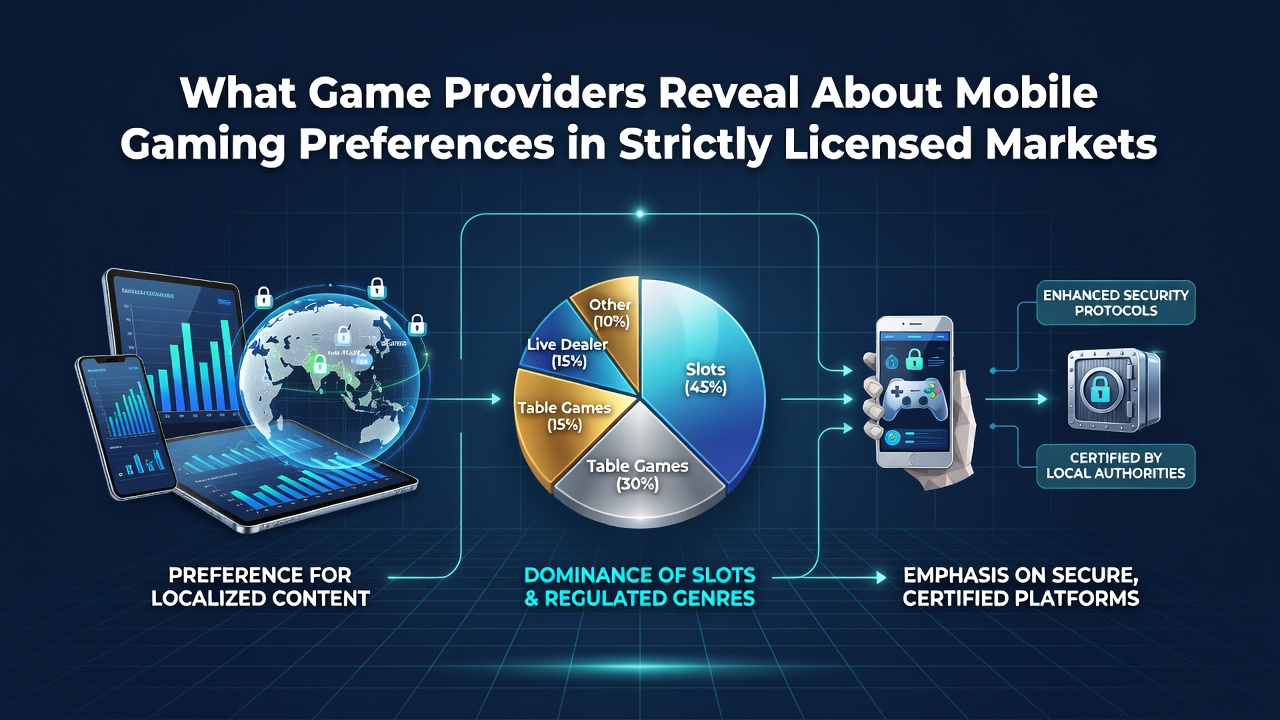
Figures compiled by industry analysts show that slot games dominate mobile activity in these regulated environments, yet table game adaptations have gained traction when designed with portrait-mode interfaces that accommodate one-handed play. In markets like those governed by the Alcohol and Gaming Commission of Ontario, providers report higher retention rates for titles featuring progressive jackpots that sync across devices, allowing seamless transitions from commute to home without losing progress.
Regional Patterns in Mobile Preferences
Strictly licensed markets enforce technical standards that shape how providers develop and release content, leading to observable differences in what succeeds on mobile. In the United States, data from New Jersey Division of Gaming Enforcement submissions highlights that players in Atlantic City-regulated apps spend more time on branded slot experiences tied to popular media properties, while Canadian markets under Ontario regulation demonstrate stronger engagement with live dealer games adapted for smaller screens through multi-camera setups and real-time betting options.
Australian operators licensed by state authorities have shared aggregated reports indicating that mobile bingo and instant-win formats perform particularly well during evening hours, contrasting with daytime preferences for puzzle-style slots that require minimal audio. These variations stem from regulatory requirements around responsible gaming tools, which providers integrate directly into mobile interfaces to comply with local rules without disrupting gameplay flow.
Technical Insights from Provider Analytics
Game studios operating in these environments release periodic updates based on performance data, and those records point to several consistent trends. Mobile users in licensed jurisdictions tend to abandon titles that exceed three seconds in initial load time, prompting providers to prioritize lightweight assets and cloud-based rendering solutions. Studies of gameplay logs further reveal that bonus round frequency influences session length more than overall return-to-player percentages, with players completing more spins when rewards appear at regular intervals calibrated for touch interactions.
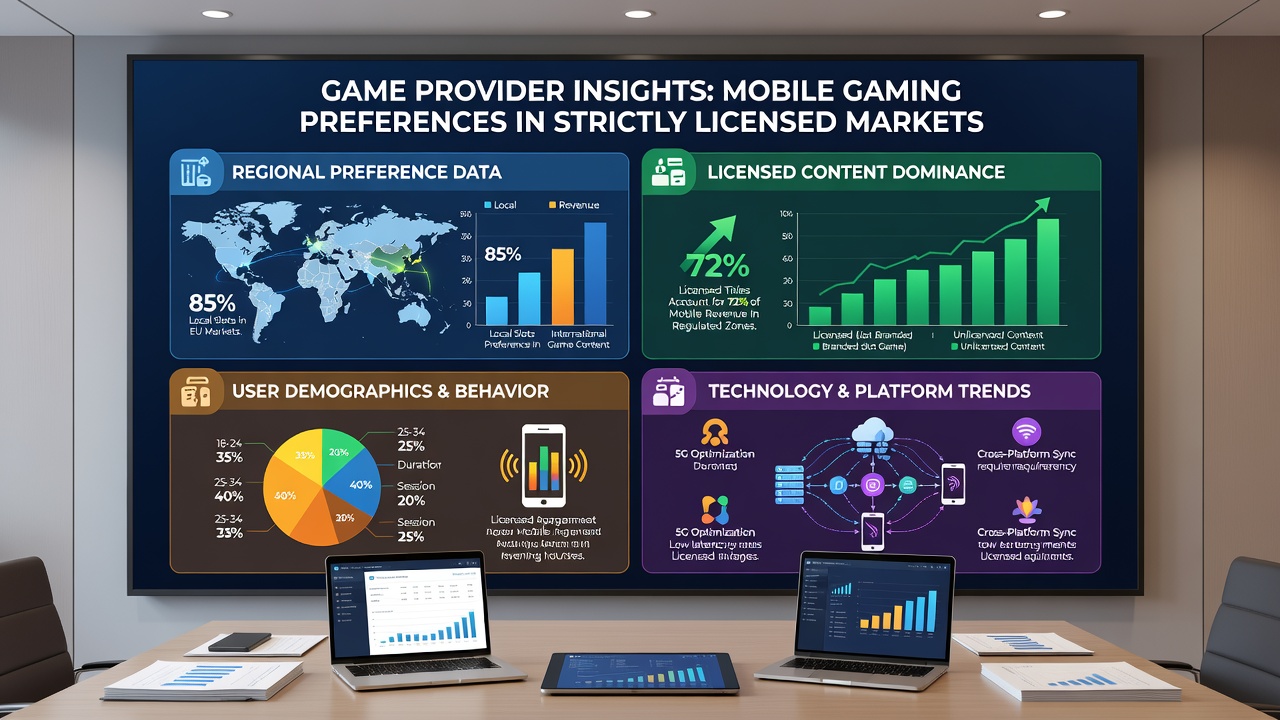
European markets, including those aligned with Malta Gaming Authority frameworks, show elevated use of in-game customization features such as adjustable reel speeds and theme toggles that reduce visual fatigue during prolonged mobile sessions. Providers note that integration with device-specific features like haptic feedback and biometric authentication correlates with lower drop-off rates, especially in jurisdictions requiring age verification at each login.
Emerging Trends Through 2026
Projections shared by providers active in multiple licensed territories suggest continued growth in mobile-specific content by August 2026, driven by hardware improvements and 5G expansion that enable richer graphics without compromising battery life. Data indicates rising interest in hybrid formats that blend slot mechanics with elements of skill-based games, provided they meet strict regulatory approval for fairness testing in each market.
Cross-border comparisons from organizations like the European Gaming and Betting Association demonstrate that markets with unified technical standards experience faster adoption of new mobile titles, whereas fragmented licensing regimes slow the rollout of features such as cloud saves and social leaderboards. Providers have adjusted development pipelines accordingly, allocating more resources to compliance teams that ensure every release meets varying jurisdictional requirements before launch.
Implications for Future Development
Analytics shared between providers and licensed operators underscore the importance of modular game design that allows quick adaptation to new regulatory guidelines on mobile advertising and player protection. Those who monitor these metrics observe that personalization algorithms, when applied within privacy boundaries set by local laws, increase session frequency without raising concerns over data handling.
Overall patterns emerging from provider reports point toward sustained demand for accessible, regulation-compliant mobile experiences that prioritize speed, simplicity, and seamless integration with everyday device usage across strictly licensed markets.
Conclusion
Game provider data continues to map clear preferences in mobile gaming within regulated spaces, from interface priorities to regional timing variations, and these insights guide ongoing adaptations through periods such as August 2026 and beyond. The evidence underscores how compliance frameworks and player behavior together shape the direction of mobile content in these environments.