License Compliance Patterns Shaping Bonus Designs and Mobile Live Dealer Options in Finland
Kirjoittanut Dana Reed · 3.9.2026
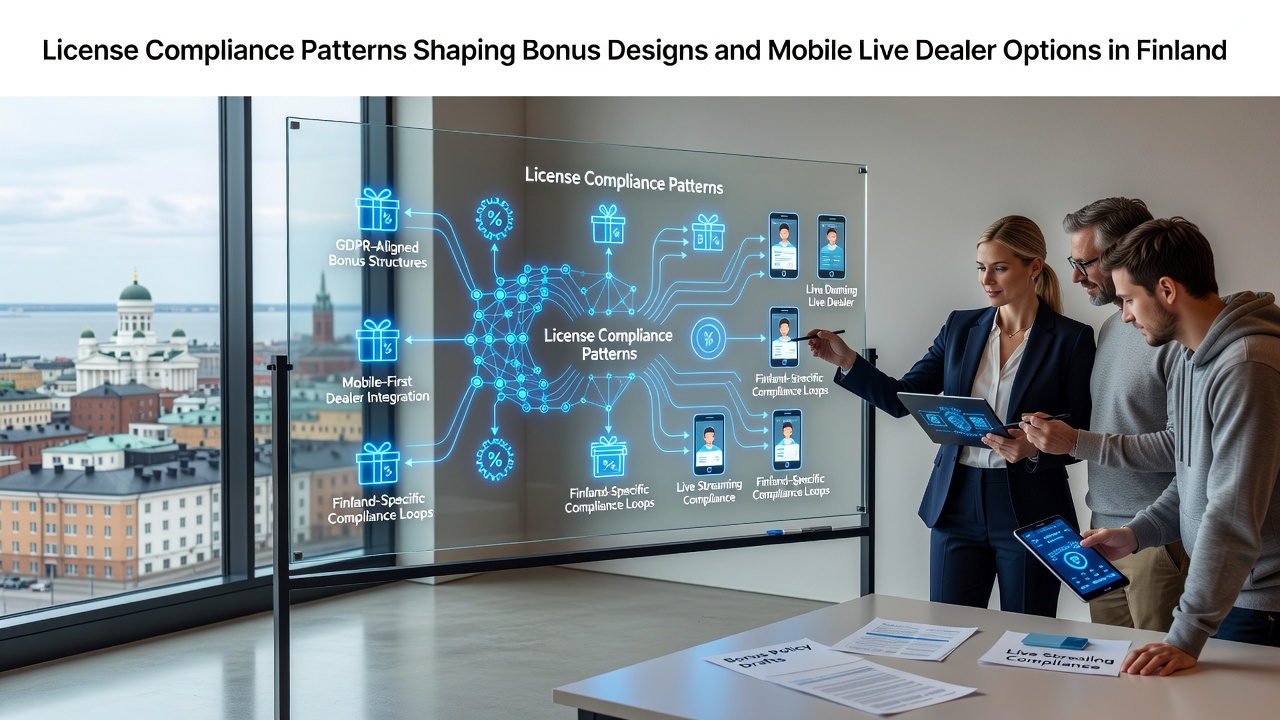
License Compliance Patterns Shaping Bonus Designs and Mobile Live Dealer Options in Finland
Finland maintains a regulated gambling environment where compliance requirements directly influence how operators structure bonuses and deliver mobile live dealer experiences, and data from regulatory filings shows these patterns emerging consistently across licensed platforms. Operators must align promotional offers with strict rules on wagering, player verification, and responsible gaming measures, while mobile live dealer options face additional technical standards for streaming quality, data security, and real-time interaction compliance.
Regulatory Framework and Compliance Drivers
Finnish authorities enforce licensing conditions that tie bonus designs to anti-money laundering protocols and consumer protection standards, so many platforms now limit bonus values and impose time-bound playthrough requirements to meet these obligations. Researchers at institutions tracking European gambling markets have documented how these rules reduce aggressive bonus promotions while encouraging operators to offer smaller, more transparent incentives that comply with verification checkpoints. And because mobile access dominates player activity, the same compliance layers extend to live dealer games streamed on smartphones and tablets.
Bonus Design Adjustments Under Compliance Rules
License conditions require clear disclosure of bonus terms at the point of offer, which has led operators to standardize wagering multipliers and game contribution rates across their platforms. Figures from industry reports indicate that average wagering requirements in compliant Finnish-facing markets have stabilized around specific thresholds that balance player engagement with regulatory scrutiny. Take one analysis from a European research body that examined bonus structures before and after updated compliance audits: it revealed a shift toward deposit-match offers with built-in spending caps rather than no-deposit bonuses that previously triggered higher oversight. Those who've studied these shifts note that operators often integrate bonus limits directly into their mobile applications so users encounter them during account setup and deposit flows.
What's interesting is how these patterns intersect with player segmentation. Data shows operators now apply different bonus tiers based on verified account history and risk profiles, which satisfies licensing demands for targeted responsible gaming interventions. This approach appears in both desktop and mobile environments, though mobile implementations often include additional push-notification reminders about remaining wagering progress.
Mobile Live Dealer Options and Technical Compliance
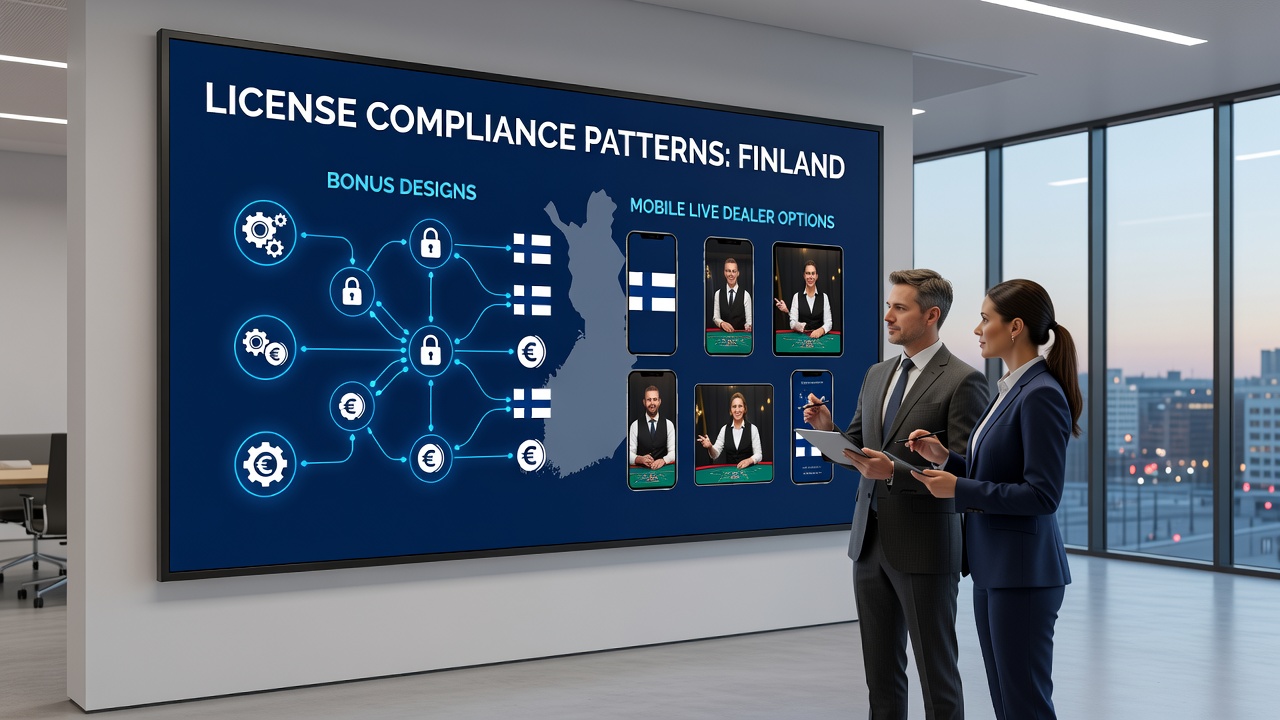
Live dealer games delivered via mobile require adherence to standards covering video latency, encryption, and dealer authentication, and compliance audits in Finland have focused on these areas since streaming technology became widespread. Operators must ensure that mobile feeds meet minimum resolution and connection stability benchmarks to maintain licensing approval, while also integrating age verification and session time tracking directly into the live interface. Studies from academic sources on digital gambling technology indicate that platforms investing in dedicated mobile live dealer studios report higher compliance pass rates during periodic reviews.
September 2026 marks the scheduled implementation of enhanced mobile streaming protocols under updated Finnish licensing guidelines, which will require additional real-time monitoring tools for live sessions. Those preparing for this change have already begun testing hybrid models that combine automated compliance checks with human oversight during peak mobile usage hours. Evidence from similar rollouts in other regulated European markets suggests these updates will standardize how operators handle multi-device live play without disrupting user experience.
Integration of Bonus and Mobile Live Features
Many platforms now link bonus eligibility to mobile live dealer participation as a way to meet both promotional and compliance goals simultaneously. A player might receive a bonus credit only after completing a set number of live table rounds on a verified mobile connection, which satisfies rules around active play and technical standard adherence. Industry data indicates this integrated approach appears more frequently in markets where regulators examine cross-feature compliance during license renewals. Observers note that such designs encourage longer mobile sessions while keeping bonus mechanics transparent and auditable.
Yet the technical demands of live streaming add another layer. Operators must ensure that bonus-triggered live games maintain uninterrupted connections and accurate result logging, because any discrepancy could violate licensing conditions on fair play documentation. Research indicates platforms using cloud-based mobile optimization tools achieve better consistency in these areas compared with older infrastructure.
Future Patterns and Ongoing Adjustments
As licensing reviews continue, compliance patterns are expected to evolve around data reporting frequency and mobile performance metrics. External analyses from sources such as the European Gaming and Betting Association highlight how operators in comparable jurisdictions adjust bonus and live dealer offerings ahead of regulatory deadlines. Finnish platforms appear to follow similar trajectories, incorporating automated reporting systems that track both bonus redemption rates and mobile live session quality in a single compliance dashboard. This unified approach simplifies audits while supporting the distinct requirements of each product type.
Conclusion
License compliance continues to shape bonus designs and mobile live dealer options in Finland through structured requirements on transparency, technical performance, and player safeguards. Patterns documented in regulatory filings and industry studies show operators adapting their offerings to meet these standards while maintaining functional mobile experiences. As updates approach in September 2026, further refinements in both areas remain likely based on current trajectories observed across licensed operations.